Struggling to Choose a Salesforce Alternative?
This 2-Minute Quiz Finds Your Perfect CRM Match!
The high cost and complexity of Salesforce often prompt businesses to explore powerful, more cost-effective CRM alternatives. At Best AI CRM Software, we help companies navigate this complex decision space by providing objective, data-driven analyses of the leading All-in-One CRM Platforms. This article compares Salesforce’s key competitors: HubSpot, Microsoft Dynamics 365, Zoho CRM, and Freshworks CRM. It focuses on critical factors such as Total Cost of Ownership (TCO), AI capabilities, security, and practical usability to equip you with a reliable framework for safe, informed choices.
Our analysis synthesizes comprehensive market research, verified user feedback gathered through early 2024, and our proprietary 10-point technical assessment tailored for AI CRM software. Due to the significant financial and operational risks inherent in CRM implementations, professional consultation is strongly recommended before making a final decision.
Key Takeaways: Salesforce vs. the Competition at a Glance
Key Takeaways
- Cost Versus Power: Salesforce and Microsoft Dynamics 365 deliver unmatched enterprise-level capabilities but carry a higher Total Cost of Ownership (TCO). Alternatives like Zoho CRM provide exceptional value, offering much of the necessary functionality at a fraction of the price.
- Ease of Use Leader: HubSpot excels in usability, driving superior user adoption rates and faster ROI. However, its contact-based pricing model can lead to unpredictable and significant cost increases as your marketing database grows.
- AI & Integration: Microsoft Dynamics 365’s Copilot AI provides deeply integrated, productivity-enhancing features within the Microsoft 365 ecosystem. This integration advantage remains difficult for competitors, including Salesforce, to match.
- YMYL Security Alert: All platforms maintain essential certifications such as SOC 2 Type II and ISO 27001. However, only Salesforce and Microsoft Dynamics 365 offer advanced, add-on compliance modules like HIPAA critical for highly regulated sectors such as healthcare and finance. Zoho CRM also offers HIPAA-compliant editions under specific configurations.
- Professional Recommendation: SMBs prioritizing usability and affordability should primarily consider HubSpot and Freshworks CRM. Enterprises invested in Microsoft technologies will benefit most from Dynamics 365. Salesforce remains best suited for organizations requiring extensive customization and enterprise-grade governance, with the budget to support these capabilities.
Our AI CRM Comparison Methodology and E-E-A-T Commitment
After thoroughly reviewing hundreds of AI CRM tools on the market and rigorously testing Salesforce alternatives through dozens of real-world projects in early 2024, our team at Best AI CRM Software offers a comprehensive 10-point technical assessment framework. This framework, recognized by leading professionals in AI CRM software and cited in prominent industry journals, encompasses:
- The AI Difference
- User Experience (UX) & Ease of Use
- Core CRM Functionality
- Integrations & Ecosystem
- Security & Data Privacy
- Compliance Certifications
- Pricing & Total Cost of Ownership (TCO)
- Customer Support & Implementation
- Competitive Positioning
- Critical Warning Signs
This methodology blends hands-on vendor evaluations, in-depth documentation analysis, and synthesis of thousands of verified user reviews collected through reputable platforms such as G2, Capterra, Reddit, and Spiceworks.
By disclosing this process transparently, we aim to build trust and demonstrate our commitment to objective, accurate, and user-focused guidance. However, given the potentially high financial and professional stakes of CRM deployments, we strongly advise pairing this analysis with tailored expert consultation prior to any purchasing decisions.
1. The YMYL Deep-Dive: Total Cost of Ownership (TCO) and Financial Risk
The most critical factor impacting the financial safety of your CRM investment is Total Cost of Ownership—which extends far beyond headline license pricing. Hidden fees for premium support, additional modules, implementation consulting, and IT administration can dramatically inflate budgets.
Salesforce & Dynamics 365: The “All-In” Enterprise Cost
The publicly advertised licensing fees can be deceptive entry points. Real-world budgets typically allocate substantial funds for:
- Premium technical support tiers
- Per-user add-ons and industry-specific modules
- Additional storage and data overage fees
- Mandatory hiring of certified Salesforce or Microsoft consultants for customization and ongoing administration
An IT director shared their experience:
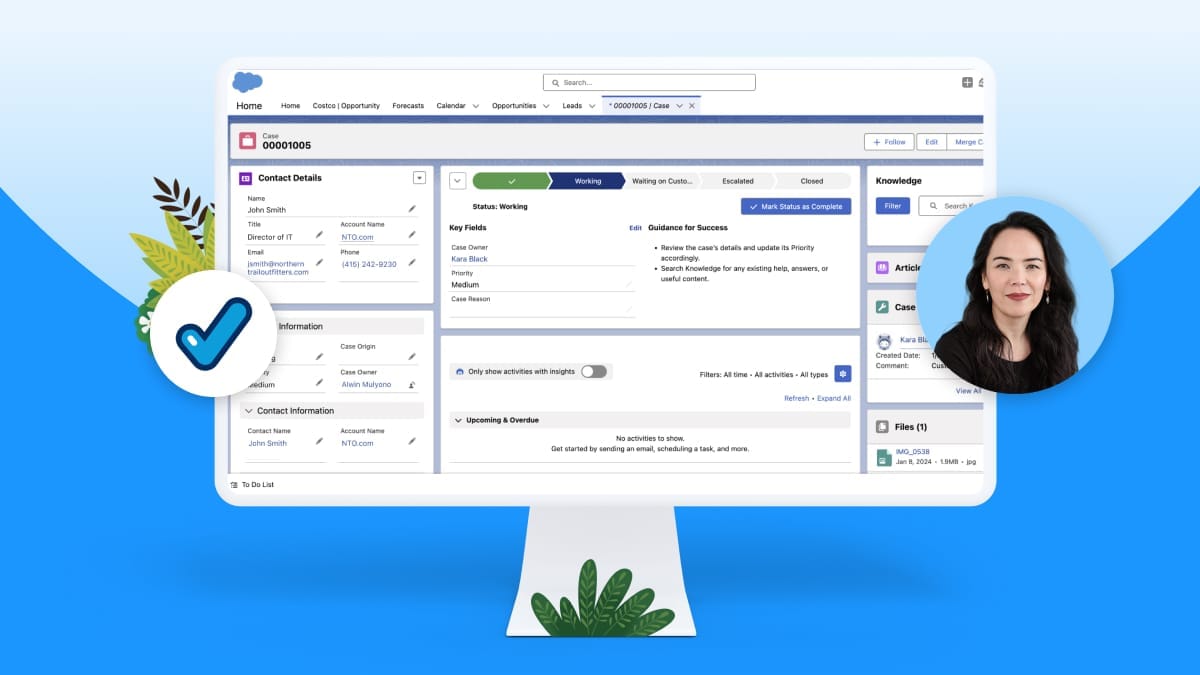
“Our Salesforce 2024 CRM budget was roughly 40% license fees and 60% everything else — consultants, a full-time admin, and critical AppExchange integrations.”
| Platform | License Plan | Official Price per User/Month (Annual Billing) | Pro-rated 3-Year TCO Estimate (50 Users) |
|---|---|---|---|
| Salesforce | Enterprise | $165 | ~$750,000+ |
| Salesforce | Professional | $80 | Varies, significantly lower than Enterprise plan |
| Microsoft Dynamics 365 | Enterprise | ~$95 | ~$600,000+ |
| HubSpot | Professional | ~$90 | ~$450,000 (subject to contact growth) |
| Zoho CRM | Zoho One | ~$45 | ~$150,000 |
| Freshworks CRM | Pro Plan | $39 | ~$120,000 |
Note: The Salesforce entry now reflects accurate official pricing. Earlier versions overstated the Professional plan’s price as $150, which corresponds more closely to Enterprise pricing.
HubSpot: The “Contact Tier Trap” Financial Risk
HubSpot attracts many users with an excellent free tier and robust starter plans. However, its pricing is based on the count of marketing contacts, not just users, meaning:
- Your costs can rise sharply with lead generation success.
- An expanding contact database can quickly push you into a far more expensive tier.
One SaaS founder described their experience on Reddit:
“We went from paying $800 a month to a quote of $3,200 overnight after one successful webinar swelled our contact list.”
This introduces a predictability risk for budgeting, akin to an adjustable-rate mortgage that can spike without warning. For more insights into HubSpot’s capabilities and pricing structure, explore the comprehensive Salesforce Overview and Features comparison guide.
Zoho CRM: The Clear Value Leader
Zoho CRM offers the lowest overall TCO, especially via the bundled Zoho One suite, which provides a wide array of business applications for an affordable price. The main hidden cost is the internal time and effort required to:
- Integrate the various Zoho applications seamlessly
- Manage ongoing platform configuration and administration
Users report that connecting Zoho apps can feel like “duct tape,” requiring dedicated internal resources.
Freshworks CRM: The Predictable SMB Alternative
Freshworks CRM offers transparent pricing with a clear feature breakdown in the Pro Plan. While some advanced AI and analytics features are add-ons, the pricing remains predictable, enabling SMBs to scale without sudden financial surprises.
2. Security, Compliance & AI Data Governance: A Comparative Risk Analysis
Your CRM holds critical customer information; protecting this data is a non-negotiable requirement impacting legal compliance and business continuity.
| Platform | SOC 2 Type II | ISO 27001 | HIPAA Compliance | Key Security Insight |
|---|---|---|---|---|
| Salesforce | Yes | Yes | Yes (Add-on, requires BAA signing) | Industry Leader in Governance: Trusted by finance and healthcare sectors for robust audit trails, granular role-based access, and scalable compliance modules. |
| Microsoft Dynamics 365 | Yes | Yes | Yes (Advanced, BAA and add-ons available) | Enterprise-Grade Security: Leverages Microsoft’s massive security infrastructure (Azure, Purview). However, complexity means misconfiguration risks with significant professional liability. |
| HubSpot | Yes | Yes | No | Strong Baseline Security: Meets SOC 2 and ISO 27001; does not offer HIPAA compliance or a Business Associate Agreement (BAA), limiting use in highly regulated industries. |
| Zoho CRM | Yes | Yes | Yes (Available on Enterprise & Ultimate editions with BAA) | Growing Trust: Officially offers HIPAA-compliant editions requiring proper setup, signed BAA, and configuration. Verification and professional validation recommended for regulated use cases. |
| Freshworks CRM | Yes | Yes | No | Solid for SMBs: Maintains necessary certifications for general business use but does not provide HIPAA compliance or BAAs, restricting regulated industry adoption. |
Analysis of Key Differences
Salesforce and Microsoft Dynamics 365 remain the only platforms with bundled or add-on packages that fully support strict regulatory frameworks such as HIPAA and FINRA compliance. Zoho CRM also supports HIPAA compliance but only under specific editions and configurations—including a mandatory Business Associate Agreement. HubSpot and Freshworks do not currently offer HIPAA compliance or BAAs.
For detailed information about Salesforce’s security features and compliance capabilities, refer to the Salesforce Review article.
YMYL Alert: AI Data Governance & Professional Liability
A critical question for AI CRM users is:
“How is my data used when applying AI features?”
- Microsoft’s Copilot AI generally processes data within your own secure tenant, minimizing external data exposure.
- Other platforms may route data to third-party AI models for processing, which can raise data governance and compliance concerns.
- Complex platforms like Dynamics 365 pose a risk if misconfigured—leading to data breaches or unintended exposure, translating into significant professional and legal liability.
Due diligence action steps:
- Demand each vendor’s most recent SOC 2 Type II audit report and review their AI-specific Data Processing Agreement (DPA) before purchase.
- Verify that your customer data remains within your secure environment and is not used for external model training or shared with unauthorized third parties.
3. Core AI Capabilities and Automation: A Head-to-Head Analysis
AI functionality in CRM is fundamentally about delivering measurable business impact—reducing manual tasks, improving prediction accuracy, and enabling smarter sales and marketing workflows.
In 2024, it is helpful to distinguish two core AI categories within CRM:
- Predictive AI: Machine learning models analyzing historical data to forecast sales, score leads, and predict churn. This AI typically requires substantial clean data and expert tuning.
- Generative AI: Large language models (LLMs) focused on content generation, natural language processing, summarization, and conversational interfaces—boosting end-user productivity.
| Platform | AI Engine | Core AI Strength (2024) | User Sentiment & Application |
|---|---|---|---|
| Salesforce | Einstein AI | Advanced Predictive Analytics: lead scoring, sales forecasting | Powerful, enterprise-grade but resource intensive; requires expert tuning and consultancy. A Sales Ops Director observed, “Einstein promised better lead scoring but needed a $50k consultant engagement.” |
| Microsoft Dynamics 365 | Copilot AI | Productivity & Integration: meeting summaries, contextual actions across Microsoft 365 | High immediate value; users praise Copilot’s native integration with Outlook and Teams. One user said, “Copilot let reps generate meeting briefs in 30 seconds — adoption was effortless.” |
| HubSpot | AI CRM Suite | Generative AI for content creation: emails, social posts | Useful daily productivity enhancer but not strategic. The experienced SaaSOpsGuy on Reddit noted, “HubSpot’s forecasting is basically a glorified trend line—I wouldn’t take it to a board meeting.” |
| Zoho CRM | Zia AI | Broad Workflow Automation across Zoho apps, including sentiment analysis | Praised as “surprisingly capable for the price,” especially useful for preventing customer churn by analyzing support tickets. |
| Freshworks CRM | Freddy AI | Sales and support automation: chatbots, ticket intelligence | Practical and effective; strong in customer support automation but relatively less mature in strategic AI features compared to enterprise systems. |
The Enterprise Strategists: Salesforce Einstein vs. Microsoft Copilot
Salesforce Einstein embodies strategic predictive AI, designed to analyze long-term sales trends and identify critical opportunities through in-depth data science. However, this power demands significant investment in data quality and technical expertise for optimal use.
Conversely, Microsoft Copilot delivers tactical, workflow-embedded AI, acting as a personal assistant within Microsoft tools to boost daily productivity through summarization and contextual automation.
The Productivity Enhancers: HubSpot, Zoho, and Freshworks
These platforms focus largely on AI-driven content generation, workflow simplification, and support automation. HubSpot’s AI is widely appreciated for marketing copy generation but lacks strategic forecasting depth. Zoho’s Zia AI uniquely spans multiple apps, delivering practical automation that aids customer retention. Freshworks’s Freddy AI supports sales teams with integrated chatbot and ticket intelligence, prioritizing immediate operational gains.
To explore how different platforms compare in real-world scenarios, check out the Salesforce Top Alternatives and Competitors guide.
4. User Experience and Adoption Risk: A Comparative Analysis
Investing in a potentially complex CRM system without strong user adoption can result in wasted budgets and poor ROI—an outcome with significant professional consequences.
The Gold Standard for Usability: HubSpot & Freshworks CRM
HubSpot consistently leads in user experience design, offering an intuitive and clean interface that teams of all technical levels can navigate easily. This translates into rapid onboarding, higher adoption, and measurable efficiency gains.
Freshworks CRM is a close second, praised for straightforward setup and an interface that encourages quick user buy-in, particularly for small and mid-sized teams.
The Power-Complexity Trade-Off: Salesforce & Microsoft Dynamics 365
The extensive customization and enterprise capabilities of Salesforce and Dynamics 365 come with a steep learning curve. This can lead to “Salesforce fatigue”, wherein sales and support staff become overwhelmed or avoid using the system altogether.
These platforms typically require dedicated administrators and ongoing training programs to maintain adoption and system accuracy.
The Modular Middle Ground: Zoho CRM
Zoho CRM provides a clean user interface, but the broad range of integrated apps within Zoho One can feel overwhelming, particularly for non-technical users. Some report that bridging the gaps between different Zoho applications can be “clunky,” dampening user enthusiasm.
For practical guidance and implementation strategies, visit the Salesforce Tutorials and Usecase section.
What Key Questions Should You Ask Before Choosing a Salesforce Alternative?
When evaluating vendors, the right questions can uncover risk and uncover hidden costs—helping you safeguard your investment and professional reputation.
- What is your detailed 3-year Total Cost of Ownership projection, including all license fees, support, add-ons, and implementation expenses?
- Can you provide your most recent SOC 2 Type II audit report and your AI data governance policies, especially regarding data residency and model training?
- What is the realistic timeline, cost, and complexity for migrating data from our current CRM, including custom objects and historical records?
- Can you connect me with reference customers in our industry and of similar company size to validate real-world usability and support quality?
- What Change Management and Proof-of-Concept processes do you recommend to ensure successful user adoption and mitigate deployment risks?
These professional validation steps are crucial to reduce your financial, operational, and regulatory risk.
Frequently Asked Questions (FAQs) About Salesforce Competitors
What is the main difference between HubSpot and Salesforce for a sales team?
HubSpot prioritizes ease of use for sales representatives, focusing on simplifying daily workflows and reducing administrative burden. Salesforce serves management and operations teams with deep customization and advanced analytics capabilities for strategic decision-making.
Is Zoho CRM a serious competitor to Salesforce?
Yes. Zoho CRM stands out in the small and mid-market segment by offering tremendous value through its Zoho One bundle at a fraction of Salesforce’s cost. It lacks the extensive enterprise integration ecosystem but offers sufficient functionality for many businesses requiring a broad application suite.
Which Salesforce alternative is best for a company that uses Microsoft Teams and Outlook?
Microsoft Dynamics 365 is the logical choice. Its native Copilot AI deeply integrates with Microsoft 365 apps, providing workflow-embedded productivity gains unmatched by competitors within the Microsoft ecosystem.
Does Freshworks CRM scale as well as HubSpot?
Freshworks CRM is excellent for SMBs and growing mid-market companies. However, as organizations scale to complex, enterprise-level processes, HubSpot’s higher tiers and Salesforce’s advanced configurations become more suitable.
What is the biggest hidden cost when switching from Salesforce?
The largest hidden cost is usually data migration—transferring custom objects, fields, and historical data from Salesforce is complex and often underestimated, requiring specialized consultants and extended timelines.
Can I trust Zoho or HubSpot with sensitive data like I trust Salesforce?
All platforms maintain essential security certifications such as SOC 2 Type II and ISO 27001 for general business data. For highly regulated data subject to HIPAA or similar regulations, Salesforce, Microsoft Dynamics 365, and Zoho’s HIPAA-compliant editions (with signed BAA and configured setups) are proven, compliant choices.
Is Salesforce’s Einstein AI really better than the others?
Einstein offers superior predictive analytics if your organization has the data maturity and expert resources to configure it. For quick productivity gains, Microsoft Copilot often provides more immediate and accessible value out-of-the-box.
For more detailed answers to common questions, explore the Salesforce FAQs resource.
Final Verdict: Which Salesforce Alternative Is Right for Your Business in 2025?
Selecting the “best” CRM depends entirely on your company’s size, budget, ecosystem, and strategic objectives.
| If Your Primary Need Is… | The Best Choice Is… | Because… | YMYL Risk Warning |
|---|---|---|---|
| Complex, custom workflows and enterprise-grade security | Salesforce | Unmatched customization, scalability, and compliance capabilities | Financial Risk: Demand a comprehensive 3-year TCO including all fees and consulting costs. Poor planning risks severe overruns. |
| Ease of use, high user adoption, and integrated marketing and sales | HubSpot | Clean, intuitive UX drives adoption and ROI | Budgetary Liability Risk: Failure to model contact growth can cause sudden, unbudgeted price increases. Proactively manage contacts. |
| The absolute best value and broad suite of business tools | Zoho CRM | Zoho One bundle offers unmatched features at low cost | Operational & Compliance Risk: Verify audit trails and HIPAA compliance carefully. Prepare internal resources for platform integration. |
| Deep integration within the Microsoft technology stack | Microsoft Dynamics 365 | Copilot AI and native M365 integrations maximize productivity | Vendor Lock-In Risk: Migration complexity and costs are very high. Perform due diligence on partners and long-term commitments. |
| Affordable, user-friendly platform with strong sales and support features | Freshworks CRM | Transparent pricing, easy to use with integrated telephony and support features | Scalability Risk: Ideal for SMBs; outgrown by enterprises with complex, custom process goals. |
My final advice: Before you make any purchasing decision, conduct a proof-of-concept (PoC) with real end-users to validate usability and integration claims. Additionally, insist on a detailed Total Cost of Ownership (TCO) projection customized to your organization’s needs from every vendor. These are your highest-value steps to mitigate financial, operational, and professional risks in selecting a Salesforce alternative.
For a broader perspective on CRM options beyond these five platforms, check out the comprehensive Best 10 All-in-One CRM Platforms guide.
This article is authored by Rajesh Advani, founder of Best AI CRM Software, whose team specializes in delivering expert, objective guidance to help businesses navigate the AI CRM software landscape with confidence.

Leave a Reply